Education is one of the most powerful tools for building a better future. To ensure that every citizen has access to quality education, the Government of India has launched several initiatives over the years. These schemes aim to support students from all backgrounds—especially those from economically weaker sections—by providing financial assistance, infrastructure, digital learning, and equal opportunities.
In this guide, we’ll explore the top education schemes in India, their benefits, eligibility, and how you can apply.
Why Are Education Schemes Important?
Government education schemes play a crucial role in:
- Increasing literacy rates
- Reducing school dropout rates
- Promoting girl education
- Supporting financially weak students
- Improving digital and higher education access
Many of these schemes are part of broader reforms aligned with the National Education Policy (NEP), focusing on modern learning and skill development.
Top Government Education Schemes in India
1. Samagra Shiksha Scheme
This is one of the largest school education programs in India covering students from Class 1 to 12.
Benefits:
- Free education support
- School infrastructure improvement
- Teacher training programs
- Inclusive education for all
Eligibility:
- School students across India
This scheme focuses on holistic education development, including digital learning and skill-based education.
2. PM POSHAN Scheme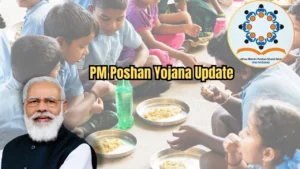
Previously known as the Mid-Day Meal Scheme, this initiative provides nutritious meals to school students.
Benefits:
- Free meals for students (Class 1–8)
- Improved attendance
- Better nutrition
Eligibility:
- Government and aided school students
It helps reduce hunger and encourages children to attend school regularly.
3. PM eVidya Programme
A digital education initiative launched to promote online learning across India.
Benefits:
- Online classes via TV, radio, and apps
- Access to e-content through DIKSHA platform
- Digital learning resources
Eligibility:
- School students and teachers
This scheme became especially important after COVID-19, boosting digital education nationwide.
4. PM SHRI Schools Scheme
This scheme aims to develop modern, high-quality schools across India.
Benefits:
- Smart classrooms
- Modern infrastructure
- Focus on NEP-based learning
Eligibility:
- Selected government schools
Over 12,000+ schools have been selected under this initiative.
5. Central Sector Scholarship Scheme
This scholarship supports meritorious students for higher education.
Benefits:
- Financial support for college education
- Direct benefit transfer to bank account
Eligibility:
- Students with good academic performance
- Income-based criteria
Scholarships are directly transferred via DBT to Aadhaar-linked accounts.
6. National Means-cum-Merit Scholarship
Aimed at reducing dropout rates among economically weaker students.
Benefits:
- ₹12,000 per year scholarship
- Support for secondary education
Eligibility:
- Students from low-income families
This scheme ensures that financial issues don’t stop students from continuing their studies.
7. Beti Bachao Beti Padhao Scheme
Focused on improving the status of girls in society through education.
Benefits:
- Encourages girl child education
- Awareness programs
- Financial support initiatives
Eligibility:
- Girls across India
This scheme promotes gender equality and female literacy.
8. PM YASASVI Scholarship
A scholarship scheme for students from OBC, EBC, and DNT categories.
Benefits:
- ₹75,000 to ₹1,25,000 financial support
- Helps in school and higher education
Eligibility:
- OBC/EBC students
- Income-based criteria
This scheme supports students from backward communities.
9. National Digital Library of India
A digital initiative providing free access to educational resources.
Benefits:
- Millions of books and study materials
- Free online access
- Useful for competitive exams
Eligibility:
- All students
A major step towards Digital India in education.
10. Right to Education Act
A legal initiative ensuring free and compulsory education.
Benefits:
- Free education for children (6–14 years)
- Mandatory school enrollment
- Equal opportunities
Eligibility:
- All children in India
This act ensures that education is a fundamental right.
Latest Updates in Education Schemes (2026)
Recent developments show strong focus on modernization:
- Government investing more in digital and AI-based learning
- Expansion of teacher education programs in multiple states
- Introduction of AI labs and smart attendance systems in schools
- Increased funding for model schools and infrastructure upgrades
These updates highlight India’s shift towards technology-driven education.
Real-Life Examples of Education Schemes in India
Bihar (Rural Student)
A student receives NMMS scholarship.
Benefit:
- ₹12,000/year support
- Continues education without financial burden
Maharashtra (College Student)
A student benefits from Central Sector Scholarship.
Benefit:
- Tuition fee support
- Reduced financial stress
Tamil Nadu (Digital Learning)
Students use PM eVidya resources.
Benefit:
- Access to online classes
- Better learning opportunities
State-Wise Differences in Education Schemes in India
Education schemes vary by state implementation:
North India (UP, Haryana)
- Strong focus on school enrollment
- Scholarships widely promoted
South India (Kerala, Tamil Nadu)
- Better digital education systems
- Faster implementation
Eastern India (Bihar, Odisha)
- More focus on financial aid
- Slower infrastructure growth
Always check state portals for exact benefits.
Common Mistakes Students Make
- Not checking eligibility
- Missing application deadlines
- Incorrect documents
- Applying through unofficial websites
Always apply through official government portals.
How to Apply for Education Schemes in India?
Step-by-Step Process:
- Visit official government website
- Check eligibility criteria
- Fill application form
- Upload documents
- Submit and track application
FAQs
What are the best education schemes in India?
Schemes like Samagra Shiksha, PM eVidya, PM SHRI, and scholarships are among the best initiatives.
Who can apply for education schemes?
Students, especially from low-income families, girls, and backward communities.
Are government education schemes free?
Yes, most schemes are free and provide financial assistance.
How can I apply for scholarships?
Through official portals like National Scholarship Portal.
Conclusion
Education schemes in India are transforming lives by making learning accessible and affordable. From school-level programs to higher education scholarships, these initiatives ensure that no student is left behind.
The key is to stay updated and apply on time.
Want simple guides on government schemes?
Visit BenefitsIndia.com to explore:
- Latest schemes
- Eligibility & documents
- Step-by-step application guides
Also Read:
PM Awas Yojana 2026
Punjab Police Recruitment 2026
Punjab ₹1000 Women Scheme 2026
Pradhan Mantri Jeevan Jyoti Bima Yojana (PMJJBY)
UPSSSC Excise Constable Recruitment 2026
Indian Bank SO Recruitment 2026
Indian Army NCC Special Entry 124th October Course 2026
AIIMS Junior Assistant Recruitment 2026 India
Indian Navy SSR Medical Branch Recruitment 2026
Stock Markets Crash as US–Iran Talks Collapse
Airport Security Staff Jobs 2026
Aadhaar Operator Recruitment 2026
About The Author