
If you’re looking for a job right now, you’ve probably seen dozens of “government schemes” online.
Some look promising…
Some sound too good to be true…
And honestly, most people don’t even know which schemes actually help in getting a job.
So instead of just listing schemes like every other website, let’s go a bit deeper and understand what these schemes really offer, who they are for, and whether they are worth your time.
Why Government Job Schemes Matter in 2026
Let’s be real finding a job today is not easy.
- Competition is high
- Skills matter more than degrees
- Many people don’t have access to proper training
This is where government job schemes come in.
They try to bridge the gap between education and employment by providing training, skill development, and sometimes direct job support.
1. Pradhan Mantri Kaushal Vikas Yojana (PMKVY)
This is probably the most well-known scheme.
What it offers:
- Free skill training in different sectors
- Short-term courses
- Certification after completion
Who should apply:
- Students
- Unemployed youth
- People looking to learn new skills
From what I’ve seen, this scheme is useful but only if you choose the right training center.
Example:
From Unemployed to Electrician
Ravi, a 21-year-old from Bihar, had dropped out after 10th class. For two years, he struggled to find work and depended on daily wages.
One day, he enrolled in a free electrician course under PMKVY.
Within 4 months:
- He learned wiring and repair skills
- Received a government certificate
- Got placed in a local company
Today, Ravi earns ₹18,000/month and supports his family.
Takeaway: Skill training can change your life even without a degree.
2. Skill India Mission
This is a larger initiative under which many training programs run.
What you get:
- Skill development programs
- Industry-focused courses
- Certification
But here’s the catch quality depends on the institute you choose.
3. Digital Skill & AI Training Programs
With technology growing fast, the government has launched AI and digital skill programs in collaboration with private companies.
Key Benefits:
- Free AI training
- Online learning options
- Certification from top platforms
Why This Matters:
AI and tech skills are among the highest-paying job sectors in 2026.
For Example:
Housewife to Freelancer
Neha, a homemaker from Delhi, wanted to earn from home but had no professional skills.
She joined a free digital marketing course under Skill India.
What changed:
- Learned social media & content writing
- Started freelancing on small projects
- Built a steady income stream
Now she earns ₹25,000/month from home
Takeaway: Government schemes are not just for jobs—they create entrepreneurs.
4. National Apprenticeship Promotion Scheme (NAPS)
This scheme focuses more on real work experience.
What it offers:
- On-the-job training
- Monthly stipend
- Industry exposure
Reality:
This is actually one of the better schemes because you learn while working.
Many people ignore it, but it can help you gain practical experience.
5. Deen Dayal Upadhyaya Grameen Kaushalya Yojana (DDU-GKY)
This one is mainly for rural youth.
Key benefits:
- Free skill training
- Placement support
- Focus on rural employment
In some areas, this scheme has helped people get jobs outside their villages.
6. PM Internship Scheme (New & Trending)
A newly introduced initiative focusing on hands-on industry experience.
Benefits:
- Internship with companies
- Real work exposure
- Better job chances
Why Trending:
Companies prefer candidates with experience + skills, not just degrees.
7. PM Vishwakarma Scheme
Focused on traditional workers and artisans.
Who Can Apply:
- Tailors
- Carpenters
- Blacksmiths
- Craftsmen
Benefits:
- Skill training
- Financial support
- Toolkit incentives
Example:
Suresh, a traditional carpenter, struggled with low income and outdated tools.
After joining PM Vishwakarma Scheme:
- Received modern toolkit
- Got skill training
- Access to small loan
Result:
- Started his own workshop
Now earns ₹30,000+/month
Takeaway: Even traditional skills can become profitable with support.
8. Prime Minister’s Employment Generation Programme (PMEGP)
This scheme is a bit different.
What it offers:
- Financial support to start a business
- Loan subsidy
It’s not exactly a job scheme but it can help you create your own employment.
Comparison: Which Scheme Is Best for You?
| Scheme | Best For | Key Benefit |
|---|---|---|
| PMKVY | Freshers | Free training + certificate |
| Skill India | Students | Modern skills |
| NAPS | Job seekers | Earn while learning |
| DDU-GKY | Rural youth | Free residential training |
| AI Programs | Tech learners | High-paying jobs |
Common Mistakes People Make
Let’s be honest this is where many people go wrong:
- Joining random training centers
- Expecting guaranteed job
- Not completing the course seriously
- Ignoring certification
These mistakes reduce the value of the scheme completely.
How to Apply for Government Job Schemes (Step-by-Step Guide)
Applying for government job or skill schemes is now simple, online, and free.
But many people get confused in the process.
Let’s break it down in the easiest way
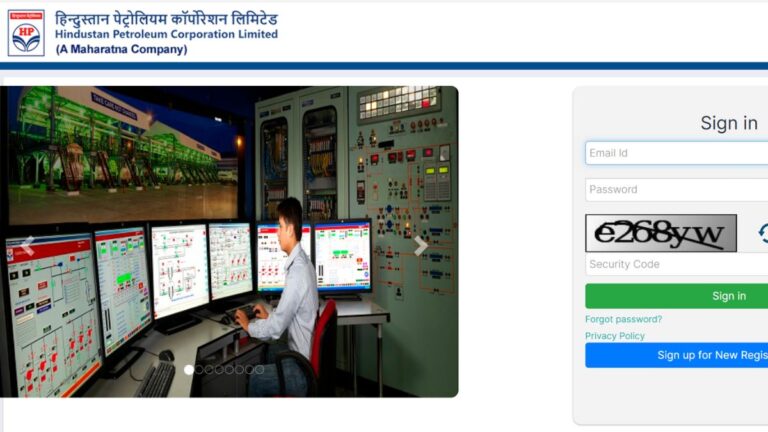
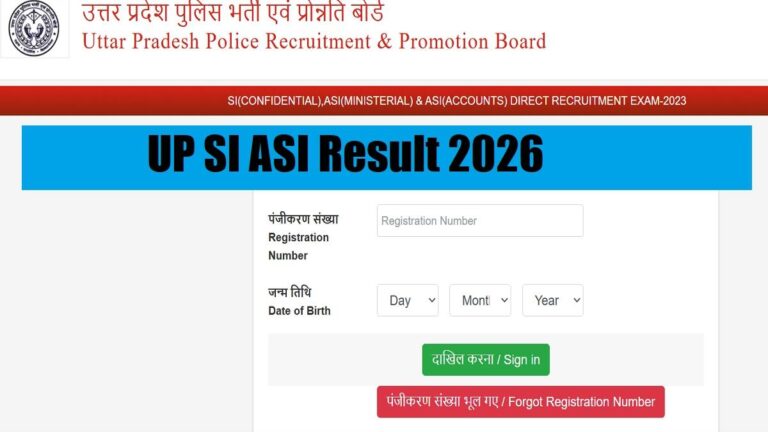
Step 1: Visit the Official Website
First, go to the official website of the scheme you want to apply for.
For example:
Pro Tip:
Always check the official domain (.gov.in) to avoid scams.
Step 2: Register with Mobile Number or Email
Once you open the website:
- Click on “Register” / “Sign Up.”
- Enter your mobile number or email
- Verify with OTP
This creates your account.
Step 3: Fill Your Personal Details
Now, you’ll need to enter basic information like the following:
- Full name
- Age / Date of birth
- Address
- Education qualification
Make sure details match your documents.
Step 4: Choose Your Course or Program
This is the most important step.
You’ll see a list of courses like the following:
- Electrician
- Computer skills
- Digital marketing
- Healthcare
Choose a course based on:
- Job demand
- Your interest
- Duration of training
Step 5: Upload Required Documents
You’ll be asked to upload:
- Aadhaar card
- Educational certificates
- Passport-size photo
Ensure documents are:
- Clear
- Correct format (PDF/JPG)
- Not blurry
Step 6: Submit the Application
After filling everything:
- Review your details carefully
- Click on “Submit.”
You’ll get:
- Application number
- Confirmation message
Step 7: Wait for Approval or Call
After submission:
- You may get a call from the training center
- Or receive SMS/email confirmation
Some schemes may ask for:
- Document verification
- Basic interview
Step 8: Start Your Training
Once selected:
- Visit training center (or join online)
- Attend classes regularly
- Complete your course
After completion:
- You get a certificate.
- Placement assistance (in many schemes)
Tips Before You Apply
- Check if the training center is genuine
- Read reviews if possible
- Don’t trust agents blindly
- Choose a skill that has demand
This is something most websites won’t tell you clearly.
FAQs
Q1. Are government job schemes really free?
Yes, most schemes provide free training and certification.
Q2. Can I get a job after training?
Many schemes offer placement support, but jobs depend on your performance.
Q3. Who can apply?
Students, freshers, unemployed youth, and even rural candidates.
Q4. Are online courses available?
Yes, many schemes now offer online learning options.
Final Thoughts
Government job schemes can definitely help but only if you use them properly.
They are not a shortcut to a job.
They are more like a starting point.
If you’re serious about improving your skills, these schemes can make a difference. But if you’re just expecting instant results, you might be disappointed.
Want more such useful guides on government schemes?
Visit BenefitsIndia.com and explore the latest updates on:
- Free schemes
- Apply online guides
- Eligibility & benefits
Stay informed. Stay empowered. 🇮🇳
About The Author