Getting a loan was really a hassle. You had to go to a bank branch and collect a lot of documents. Then you had to wait for weeks to get the loan. Now getting a loan is not like that. Now it takes ten minutes on a phone. That speed is genuinely useful when you are dealing with something urgent a hospital bill, a broken appliance, a fee deadline.
The problem is that convenience can stop people from thinking things through. People will apply for something without finding out how much it will really cost they do not read the terms. Then they are surprised when paying back is so hard. If you do research before you apply, it can make a big difference. Here are ten questions that are worth asking before you click the button for a loan or something, like that.
What Is an Instant Personal Loan?
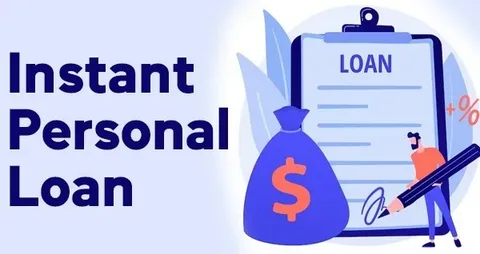
This loan does not need anything as security. You do not have to give your house or car or gold to get this loan. Your income and how you paid back loans in the past are what matter.
Banks and other companies that give loans and apps on your phone do everything on the computer now. You have to send them your PAN card and Aadhaar card and your salary details and bank details.
The computer checks all this information. If everything is okay, it sends you the money in a few hours or a couple of days.
Because this loan does not have anything to back it up, the interest rate is usually higher than loans that have security. To be eligible for this loan, your income and job and credit history and how much debt you already have are all considered.
When Should You Actually Consider One?
Personal loans are an idea when you really need the money and you need it fast, like when you have a medical emergency, your house needs a repair right away, or you have to pay for your children’s education fees. They are also an idea when you want to combine all your debts into one payment that is easier to handle.
Personal loans do not make sense when you want to buy something that you can save up for or when you want to use credit to pay for a vacation. It also does not make sense to borrow money just because you got an offer on your phone or computer. Every time you get a loan, it costs you money. You should only get a loan when you really need it.
10 Questions to Ask Before You Apply
1. What is the interest rate?
When you are looking for a loan, you should ask for the interest rate. Do not let them tell you the rate or a range of rates. Some lenders will tell you the rate because it sounds like a small amount of money, but it can add up very quickly. You should also find out if the annual rate is fixed for the period of the loan or if it can change at some point. The annual rate of the loan is very important. To get the deal you should compare the annual rates of at least two or three different lenders before you make a decision about which loan to take.
2. What will my monthly EMI be?
Before you apply for a loan, it is a good idea to use an EMI calculator. You can type in the loan amount. The interest rate and how long you want the loan for. This will show you how much you have to pay every month.
A good rule of thumb is that your total loan payments for all loans should not be more than 40-45 percent of the money you take home each month.
If the amount you have to pay each month seems too much, you should think about borrowing a little less money or taking a little more time to pay it back.
3. Are there hidden charges?
Interest is only part of what you pay. The rest adds up quietly. Always ask for a complete list before signing.
Charge What It Processing Fee Usually 1–3% of the loan amount, deducted upfront. GST on the processing fee, 18% levied on the processing fee The late payment penalty charged if EMI is delayed can be steepForeclosure Charges Fee for closing the loan early Bounce Charges Deducted when auto-debit fails
4. What tenure should I pick?
Shorter tenure means higher EMIs but lower total interest paid. Longer tenure means easier monthly payments, but you end up paying more overall. Pick what actually fits your monthly budget do not choose a tenure that looks fine on paper but strains you in reality.
5. Am I eligible?
You should check before you apply for something. Most lenders want to know how much money you make, what kind of job you have, and what your credit score is. They like it when your credit score is 700 or more. They also want to know about the things you owe money for. If you apply without checking if you are eligible, you will probably get rejected. This can hurt your credit report. That is not good. You do not want to have marks on your credit report for no reason. Always check with the lenders to see if you can get money from them before you apply for it. This way you can avoid getting rejected and having problems with your credit report.
6. How will this affect my credit score?
Every application triggers a hard inquiry and nudges your score down slightly. Once the loan is running, paying on time every month builds your score steadily. Missing EMIs damages it, and that damage follows you when you need credit next time.
7. Can I repay early if I want to?
Sometimes your finances improve and you want to close the loan ahead of schedule. Some lenders let you do that freely. Others charge a foreclosure fee of 2–5% on the remaining principal. Ask this before agreeing to anything.
8. Is the lender genuine?
Check What the RBI Registration Verify on RBI’s official website for NBFCs/banks. Look for proper contact info, grievance mechanism reviews Check recent user feedback on app stores. Address Legitimate lenders have verifiable registered offices Unregistered loan apps asking for personal data upfront with guaranteed approval promises are a red flag. Do not share documents with anyone you have not verified.
9. Do I actually need this right now?
Stop and ask honestly. Is there a cheaper option, a salary advance, interest-free family support, or a credit card with a grace period? Can you wait and save instead? Borrowing is a tool, not a default response to every cash gap.
10. Have I compared multiple lenders?
The first offer is usually not the one. If the interest rate were one percent lower, you would save a lot of money over two or three years. You should compare the interest rates, the fees they charge to process your application, what happens if you want to pay back the money, and how good the customer support is before you make a decision about the loan. The loan is what matters, so think carefully about the loan and make sure you are getting a deal on the loan.
Mistakes Borrowers Commonly Make
Mistake Better Approach Borrowing more than needed Stick to the amount you needSkipping the loan agreement Read every part, before signingMissing EMI payments Set up auto-debit or reminders on your calendarApplying to multiple lenders at once Compare options first then apply to one or twoTaking the first available offer Check at least two or three options before choosing
Pre-Application Checklist
Task done?
- Compared rates from at least 2–3 lenders
- Verified lender’s RBI registration
- Calculated monthly EMI
- Checked all fees including processing and penalties
- Read the loan agreement fully
- Confirmed EMI fits within monthly budget
- Checked own credit score
- Kept all documents ready
FAQs
Question: What credit score is preferred?
Most lenders look for 700 or above. Lower scores may still get approval but at higher rates.
Question: How fast is approval?
Fintech lenders often approve within hours. Banks may take 1–3 working days.
Question: Can self-employed people apply?
Yes, though document requirements differ, typically ITR filings and business bank statements.
Question: Can I prepay the loan?
Yes, but check if foreclosure charges apply and after how many EMIs prepayment is allowed.
Question: Are online loans safe?
They are, if you borrow from RBI-registered lenders. Avoid unverified apps.
Question: How is EMI calculated?
Based on loan amount, annual interest rate, and tenure. Use any online EMI calculator.
Question: Does applying to many lenders hurt my score?
Yes. When you get hard inquiries, it can really hurt your credit score. So it is an idea to compare all your options first and then apply for the ones that are best for you.
What kind of documents do you need to apply?
You will probably need your PAN card, Aadhaar card, three months of salary slips, your bank statements, and some kind of address proof.
Conclusion
The loan approval process has become faster than ever, but fast does not always mean right. What protects you as a borrower is not speed. It is knowing what you are signing up for before the money hits your account.
Compare your options, read the fine print, check the charges, and make sure the repayment fits your actual income, not an optimistic version of it. Borrow what you need, understand what it costs, and choose a lender you have actually verified.
Disclaimer: Interest rates and fees can be different for each lender and borrower. They can also change over time. This article is here to help you learn. It is not advice on how to handle your money. Always check the details with the lender before you apply.
About The Author